The Local Nature Recovery Strategy, guided by the Lawson Principles, emphasises the creation of wildlife corridors, stepping stones, and buffer zones to reconnect fragmented habitats. The Lodes and associated streams represent an obvious opportunity to deliver this connectivity at landscape scale.
As an outcome of Cambridgeshire County Council’s Nature Recovery from the Ground Up pilot, several community‑led citizen science groups have now formed under the – LoCaL Chalk Streams Group – coordinated by SSECAM (a not‑for‑profit Community Interest Company). These groups are already undertaking early monitoring and engagement activities.
- Aim
The overarching aim is to establish a robust scientific baseline for water quality, hydrology, and ecological condition across the chalk streams of the Lower Cam and Lodes Catchment. This baseline will:
- Identify areas of concern requiring targeted intervention
- Provide evidence to inform management decisions by statutory agencies
- Support the development of nature recovery corridors and habitat enhancement opportunities
- Increase public, landowner, and stakeholder awareness of the ecological value of chalk streams
LoCaL seeks to generate high‑quality, standardised data that can be used confidently by organisations such as the Environment Agency, Anglian Water, Internal Drainage Boards, and Natural England to guide remedial action where necessary.
Current monitoring covers the northern part of the catchment, with potential for expansion into the southern area as capacity grows.
- Methodology
Community Citizen Science groups will undertake systematic monitoring across selected reaches of the Lodes and chalk streams. Activities will include:
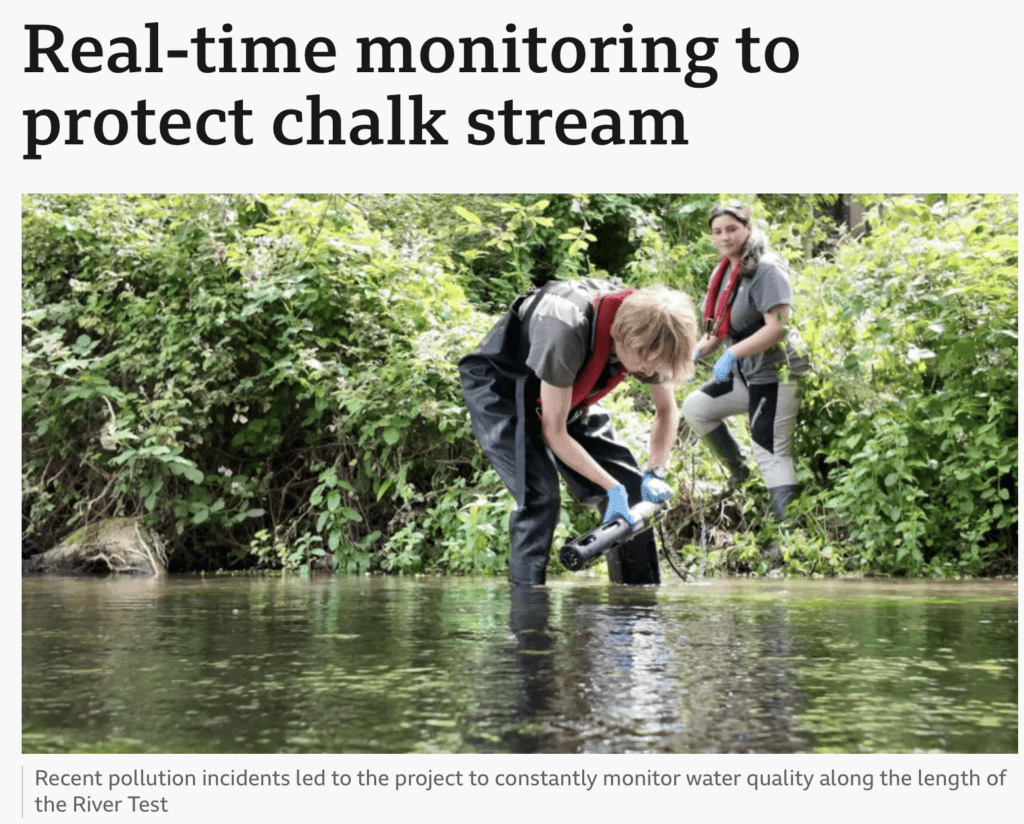
- Water chemistry sampling (e.g., ammonia, phosphate, dissolved oxygen, pH, turbidity, electrical conductivity) using calibrated field kits
- Flow and hydrological observations, including seasonal variation and identification of impediments
- Biological monitoring, including Riverfly surveys and macroinvertebrate assessments. Bacterial analysis including E. coli.
- Targeted eDNA sampling to detect species presence, including rare or cryptic taxa
- Licensed trapping of American Signal Crayfish to assess invasive species pressure
All sampling will follow standardised protocols to ensure data comparability and acceptance by regulatory bodies. Training will be provided to volunteers to ensure methodological consistency and scientific rigour.
- Requirements
To deliver high‑quality, defensible data, the project requires:
- Additional specialist water sampling equipment to allow all groups to collect standardised measurements
- Training in water chemistry, hydrology, and aquatic ecology
- Support for data management, analysis, and reporting
- Occasional expert oversight to validate methods and ensure scientific robustness
While the volunteer base is strong and motivated, current equipment is insufficient to support the scale of monitoring required.
- Benefits
The project will deliver multiple ecological and social benefits:
- Improved understanding and protection of chalk stream biodiversity
- Evidence‑based influence on watercourse management, including dredging practices
- Early detection of pollution incidents or ecological decline
- Strengthened community engagement with local nature
- Enhanced wellbeing through active participation in citizen science
- Contribution to national priorities, including the Chalk stream Restoration Strategy and Local Nature Recovery Plans
By empowering local communities with scientific tools and knowledge, the project builds long‑term stewardship of these rare ecosystems.
- Outcomes
The resulting baseline dataset will:
- Feed directly into catchment management plans
- Provide a mechanism for holding agencies accountable for environmental standards
- Identify priority areas for habitat restoration, buffer creation, and connectivity improvements
- Support strategic planning for nature recovery corridors across the catchment
- Establish a long‑term community‑led monitoring network
- Create opportunities for seeking additional funding under the Anglian Water A-WINEP Rural Regeneration Programme